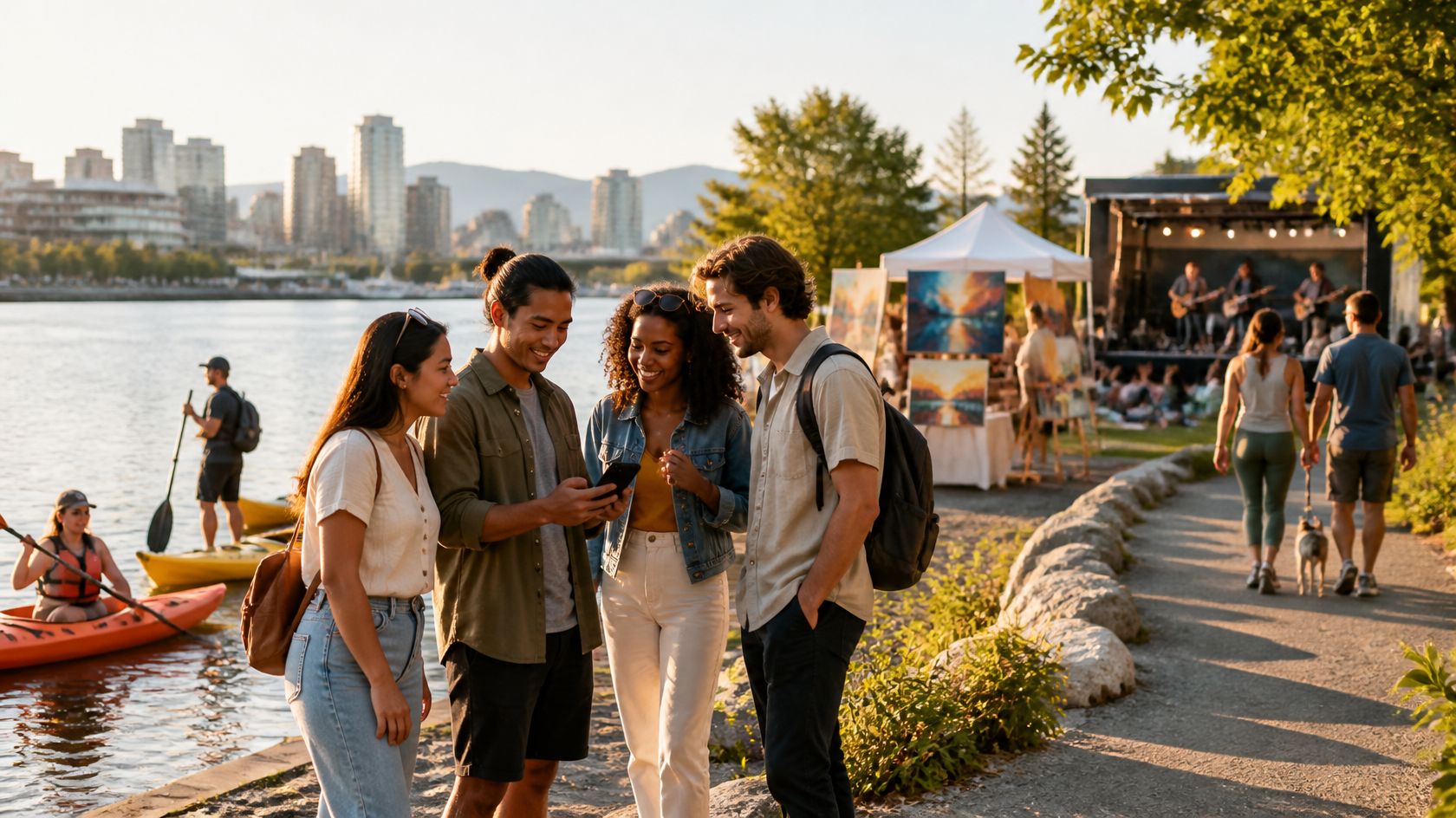
It’s a free afternoon, the weather is decent, and you have absolutely no plan. You scroll through your phone, flip between apps, and end up back on the couch wondering where the time went. It happens to almost everyone, and the fix is simpler than it seems. With a few smart habits, you can find things to do any time boredom strikes, without spending hours searching.
Most of us don’t lack options. We lack a dependable way to sort through them. Every town has markets, workshops, trails, galleries, live music nights, and community events happening all the time, yet many of them stay invisible unless you know where to look. In this guide, we’ll walk through practical, real-world ways to uncover activities that match your mood, your budget, and the people you’re with.
Start by asking yourself what kind of experience you want. Do you need to relax, burn off energy, learn something new, or spend quality time with someone? Once you have that answer, it’s much easier to Find Things to Do that fit the moment instead of scrolling through endless generic lists. A good discovery tool can narrow the choices in seconds, but it works best when you know what you’re in the mood for.
Why It Feels Harder Than It Should
Information overload is the main problem. Search for activities and you’re buried in sponsored posts, outdated articles, and suggestions written for tourists rather than locals. When you try to find things to do this way, you spend more energy comparing than actually enjoying anything.
Decision fatigue plays a part too. The more choices we face, the less satisfied we tend to feel with the one we pick. A short list of well-chosen ideas almost always beats a giant one. The goal isn’t to see everything on offer. It’s to see the few things worth your time.
Practical Ways to Find Things to Do Nearby
Ask the People Around You
Friends, coworkers, and neighbors are brilliant sources. Instead of asking “Any ideas?”, try “What’s the best thing you did last weekend?” Specific questions get specific answers, and you’ll often hear about events and hidden spots that never show up in search results.
Explore Your Map Like a Treasure Hunt
Open your map and zoom into areas you rarely visit. Look for green spaces, clusters of small shops, waterfronts, and cultural venues. Save anything interesting. Over time, you’ll build a personal list that makes it simple to find things to do whenever free time appears.
Follow Community Sources
Local newsletters, neighborhood groups, library noticeboards, and small-business social accounts announce workshops, pop-ups, open-air screenings, and festivals early. Following a handful of them keeps your ideas fresh and tied to what’s actually happening this week.
Let the Season Lead
The best activity in summer is rarely the best in winter. Spring suits garden visits and riverside walks. Summer is ideal for evening markets and outdoor concerts. Autumn favors hill trails and harvest fairs, while winter calls for museums, cooking classes, and cozy cafés. Thinking seasonally gives you a natural filter.
Match the Activity to the Moment
Not every outing needs to be big. The right choice depends on who you’re with and how much energy you have.
- Solo time: Libraries, quiet parks, pottery classes, and independent bookstores offer calm and creativity without pressure.
- Date or one-on-one: Try small galleries, sunset walks, food tastings, or live music in an intimate venue.
- Family outings: Choose places with space to move and something to spark curiosity, like nature trails, science centers, or farm visits.
- Friends and groups: Go for flexible, activity-based options such as board game cafés, street food lanes, or open-air markets.
Starting from the moment instead of the location makes it far easier to find things to do that keep everyone engaged.
Budget-Friendly Ideas That Still Feel Special
A good day out doesn’t need a big spend. Many of the most memorable experiences cost little or nothing.
- Free outdoor options: Parks, beaches, nature trails, and viewpoints are always open and endlessly rewarding.
- Community events: Free concerts, art walks, and cultural festivals are common in most areas.
- Skill-sharing: Libraries and community centers often host low-cost workshops in crafts, music, and languages.
- Self-made adventures: Pack a picnic, pick a neighborhood, and wander with no fixed route.
When money is tight, a little creativity helps you find things to do that feel rich without costing much.
How to Plan Without Overplanning
Planning should make a day easier, not turn it into homework. Pick one “anchor” activity, such as a class, a meal, or a walk, and leave the rest flexible. Some of the best moments happen in the gaps between plans.
A few quick checks save a lot of frustration:
- Opening hours: Confirm them, especially for smaller venues.
- Travel time: A fantastic place that takes two hours to reach may not suit a short afternoon.
- Weather: Keep an indoor backup for outdoor plans.
- Crowds: Weekday mornings and early evenings are often calmer and more enjoyable.
These small habits help you find things to do that you’ll be glad you chose.
Common Mistakes to Avoid
Even experienced explorers slip up occasionally.
Relying on one source. One app or list offers one viewpoint. Combine online research with word of mouth and your own exploring.
Ignoring recent feedback. A glowing review from years ago might describe something that has changed or closed. Check for recent comments.
Overscheduling. Cramming five stops into one day leaves you exhausted. Two or three well-chosen activities are usually plenty.
Chasing only what’s trendy. Viral spots can be fun, but they’re often crowded and overpriced. A quieter alternative nearby can be far better. When you set out to find things to do, aim for what suits you, not just what’s popular online.
Turn Exploring Into a Habit
People who always seem to have interesting weekends aren’t luckier. They’re simply more intentional. They keep a running list of ideas, note recommendations as they hear them, and set aside time each week for something new.
Try a simple goal: one new activity every week or two. Over a year, that adds up to dozens of fresh experiences, and your relationship with your own area changes. You stop feeling like there’s nothing to do and start realizing you’ve barely scratched the surface. That shift is what makes it effortless to find things to do whatever your mood or schedule.
Final Thoughts
Great days out don’t require big budgets or insider secrets. They need a bit of curiosity, a few trustworthy sources, and a willingness to try something unfamiliar. Ask around, study your map, follow your community, let the seasons guide you, and match each activity to the moment you’re in.
And when you’d like a helpful shortcut, platforms like Yebble can help you browse ideas, narrow your options, and plan your next outing with confidence. The next time free time shows up, you won’t have to wonder how to fill it. You’ll already know what to do.
Follow this link for another blog - Local Shops Near Me