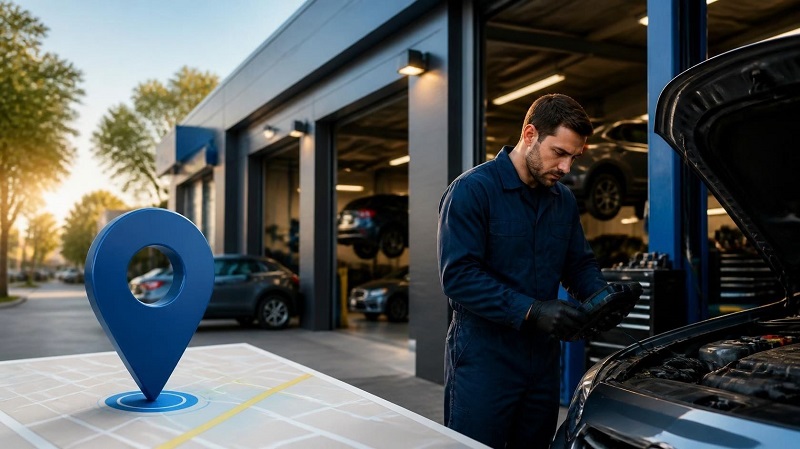
The check engine light flickers on during your morning commute. Or maybe your brakes start squealing, and you know it's only a matter of time before something gives. In moments like these, most of us reach for our phones and type the same thing: auto repair near me. The results come back in seconds, but choosing the right shop from a long list of options is where the real challenge begins.
A good mechanic can save you thousands of dollars over the life of your vehicle. A bad one can turn a minor issue into a major expense. Because cars are complicated and most drivers aren't experts, the relationship between a driver and a repair shop is built almost entirely on trust. This guide walks you through how to find that trust, what to look for, and what to avoid.
Start With a Smarter Search
When you're stressed about a car problem, it's tempting to call the first shop that appears on the map. Slow down. A little research now prevents a lot of regret later. If you want a simple starting point for comparing options when you look for auto repair near me, focus on shops with a consistent track record, transparent pricing, and recent customer feedback rather than just the closest address.
Location does matter. A convenient shop makes drop-offs, pickups, and follow-up visits much easier. But convenience should be the tiebreaker, not the deciding factor. A shop ten minutes farther away that treats you honestly is worth the extra drive.
What to Look for in a Repair Shop
Every shop looks fine online, so it helps to know which signals actually matter. Here are the ones worth checking:
- Certifications: Look for technicians certified by recognized organizations such as ASE. Certification shows they've passed standardized tests and keep their skills current.
- Reviews with detail: Ignore the vague five-star ratings. Look for reviews that describe the problem, the fix, and how the shop communicated.
- Clear estimates: A trustworthy shop provides written estimates before starting work and calls you if the price changes.
- Warranty: Reputable shops stand behind their work, often offering coverage on both parts and labor.
- Clean, organized facility: A tidy shop usually reflects careful, organized work.
If a shop hits most of these marks, you're likely in good hands. If several are missing, keep looking.
Questions Worth Asking Before You Commit
You don't need to be a car expert to ask good questions. In fact, how a shop responds tells you a lot. Try asking:
- Can you explain the problem in plain language?
- Will you show me the worn or damaged part?
- Do you use original or aftermarket parts, and what's the difference in cost?
- How long will the repair take?
- What warranty do you offer on this work?
Honest mechanics welcome these questions. They want you to understand what you're paying for. If someone gets defensive, uses pressure tactics, or refuses to explain, that's a red flag.
Common Repairs and What They Typically Involve
Understanding the basics helps you feel more confident at the counter. Some of the most frequent repair needs include:
Brakes: Squealing, grinding, or a soft pedal usually means worn pads or rotors. Brake work is a safety issue, so never postpone it.
Oil and fluid services: Regular oil changes remain the cheapest way to extend engine life. Coolant, transmission fluid, and brake fluid also need periodic attention.
Battery and electrical issues: Slow starts, dim lights, or flickering dashboards often point to a weak battery or charging problem.
Tires and alignment: Uneven wear, vibration, or pulling to one side signals alignment or balance issues that can shorten tire life.
Check engine light: This can mean anything from a loose gas cap to a serious sensor problem. A proper diagnostic scan is the right first step.
Knowing these basics won't make you a mechanic, but it will help you recognize when a recommendation makes sense and when it deserves a second opinion.
Warning Signs of a Shop to Avoid
Just as there are green flags, there are clear warning signs. Be cautious if a shop:
- Pushes expensive repairs without showing evidence
- Refuses to give a written estimate
- Adds unexpected charges after the work is done
- Keeps your old parts a secret or claims they were discarded
- Uses fear-based language to rush your decision
Trust your instincts. If something feels off, it's perfectly reasonable to thank them, take your car elsewhere, and get a second opinion. A quality shop won't mind.
Preventive Maintenance: The Cheapest Repair of All
The best repair is the one you never need. Following your manufacturer's maintenance schedule keeps small issues from snowballing. Check your owner's manual for recommended intervals on oil changes, filters, belts, and inspections. Keep a simple log of every service so you and your mechanic always know what's been done.
Small habits help too. Check your tire pressure monthly, listen for new noises, and don't ignore dashboard warnings. Catching a problem early almost always costs less than waiting until it becomes an emergency. If your search for auto repair near me leads you to a shop that also offers routine maintenance plans, that's a bonus, since consistent care with one trusted team builds a helpful service history.
Understanding Costs Without Overpaying
Repair costs vary depending on your vehicle, the parts required, and local labor rates. Luxury and European models tend to cost more, and specialty parts can add up. To avoid surprises, get estimates from two or three shops for any major repair. Compare not just the total but what's included: parts quality, labor hours, diagnostic fees, and warranty terms.
The cheapest quote isn't always the best value. Extremely low prices can signal low-grade parts or rushed work. Aim for fair, transparent pricing from a shop that explains its reasoning.
Building a Long-Term Relationship
Once you find a good mechanic, stick with them. A shop that knows your vehicle's history can spot patterns, anticipate issues, and give more accurate advice. Over time, that familiarity often leads to better service, more flexibility on scheduling, and more honest guidance on which repairs are urgent and which can wait.
Final Thoughts
Finding dependable car care doesn't have to be a gamble. With a bit of research, the right questions, and attention to red flags, you can choose a shop that keeps you safe on the road and protects your wallet. Whether it's a routine service or an unexpected breakdown, having a trusted mechanic you can rely on is priceless. If you're ready to simplify your search and connect with quality options, explore what Yebble offers at Yebble and take the stress out of your next repair.
Follow this link for another blog - Online Business Directory